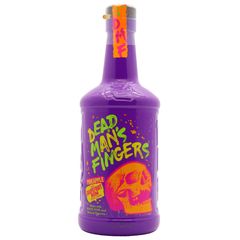
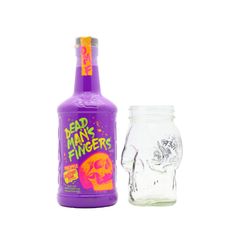
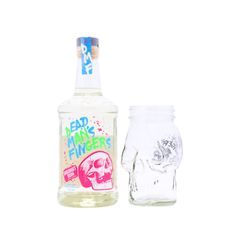
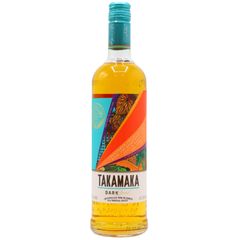
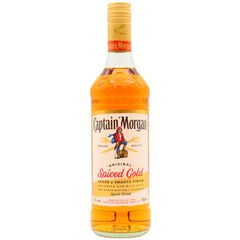
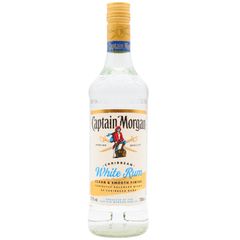
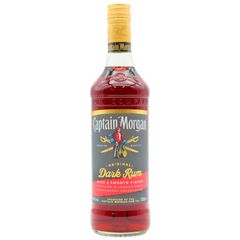
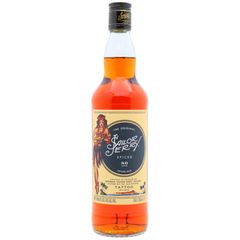
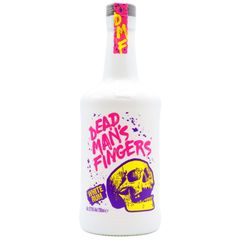
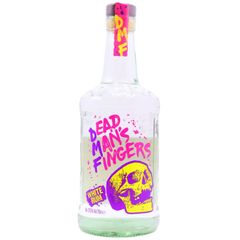
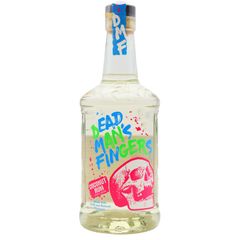
Rum is produced in many different countries and by many different methods, but the common thread is that it is distilled from sugar-cane-derived raw materials, most commonly molasses, though sugar-cane juice and cane syrup are also important in some traditions. Because rum is regulated differently from one country to another, it has fewer universally recognised legal categories than some other spirits, and its styles can be challenging to define with complete precision. In the broadest consumer sense, however, rum is still often divided into white, dark and spiced styles. Under current European rules, rum must be produced from molasses, cane syrup or sugar-cane juice, and it must retain the characteristic flavour of rum.
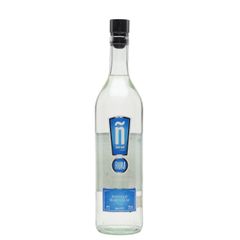
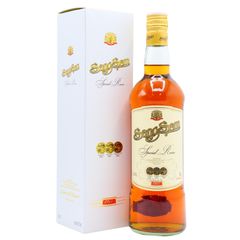
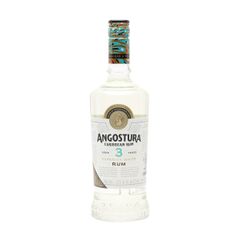
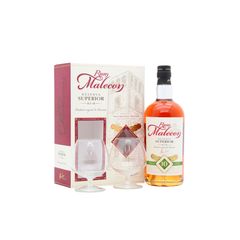
White, or light, rum is usually clear in appearance and often lighter in body, frequently associated with column still distillation and a cleaner, drier profile. It is not always unaged, however, since some white rums are matured briefly before being filtered to remove their colour. Dark rum is generally richer in colour and flavour, often due to cask ageing, though colour alone can be misleading: in some markets caramel may be used for colour adjustment, so a darker rum is not necessarily older. Nor is there any absolute rule that dark rum must come from pot stills, since many are produced in column stills or from blends of the two traditions.
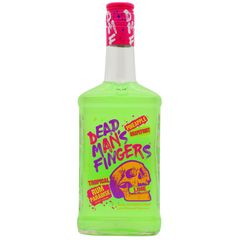
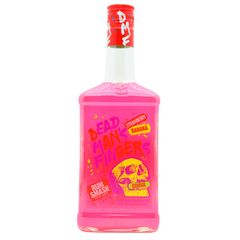
Spiced rum is created by taking a rum base and adding spices, botanicals or other flavourings, sometimes with sweetening or colour adjustment as well. For that reason, it is best considered as a flavoured rum style rather than as one of the core traditional forms of rum in the same sense as lightly aged or fully matured rum. So while the traditional division into white, dark and spiced remains useful as a simple guide for drinkers, it is less a strict legal taxonomy than a practical way of describing the broad styles most commonly found on the shelf.